
 By Admin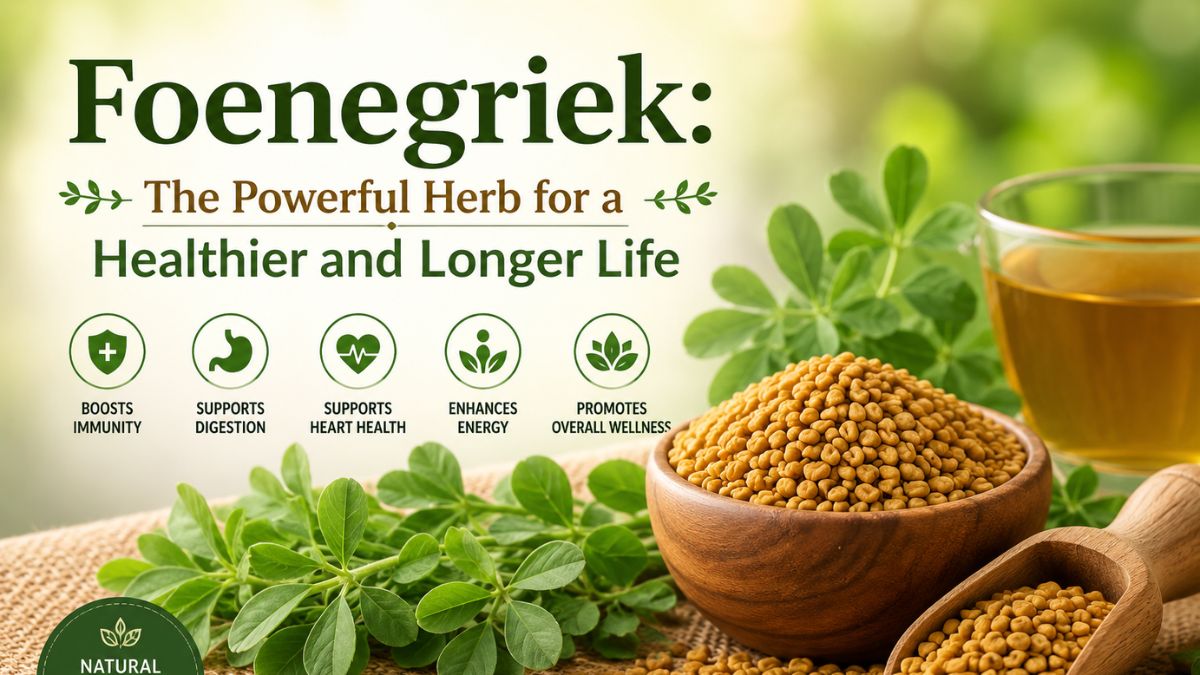
Foenegriek, also known as fenugreek, is an herb long used in traditional medicine for digestion, metabolism, and hormonal balance. Today, it is often incorporated into supplements, teas, and culinary preparations to support overall wellness. Understanding foenegriek and its effects can help integrate it safely and effectively into a longevity-conscious lifestyle.
Once I brought those seeds home and tucked them into a sunny corner of my herb garden, I was hooked. This plant is generous, resilient, and full of personality. Just like the graceful Night Blooming Jasmine, Foenegriek fills your garden with an unforgettable fragrance, earthy, rich, and somehow deeply comforting.
What is Foenegriek?
Foenegriek is the Dutch and German name for fenugreek, a clover-like herb with one of the longest cultivation histories of any plant on earth. Its botanical name is Trigonella foenum-graecum, which translates loosely to “Greek hay,” a nod to its ancient use as livestock fodder across the Mediterranean.
Native to the Mediterranean region, southern Europe, and western Asia, fenugreek has been cultivated for over 6,000 years. Archaeologists have found fenugreek seeds in Egyptian tombs. Ancient Greek physicians prescribed it. Indian Ayurvedic healers have relied on it for millennia.
Today, it goes by many names around the world:
- Foenegriek (Dutch, German)
- Fenugreek (English)
- Methi (Hindi, Urdu, Bengali)
- Helba (Arabic)
- Shanbalileh (Persian)
- Uluva (Malayalam)
It belongs to the Fabaceae (legume) family, which makes it a distant cousin of beans and lentils. And like its leguminous relatives, it actually improves the soil it grows in by fixing nitrogen, a lovely bonus for any kitchen gardener.
Foenegriek Plant Characteristics
Foenegriek is a compact, upright annual herb that typically grows to 30-60 cm (12-24 inches) tall. It won’t dominate your garden, but it carries itself with quiet confidence.
Leaves: The leaves are trifoliate, meaning each stem carries three small, oval leaflets, much like clover. They’re soft, bright green, and have a mild, slightly bitter flavor when eaten fresh. In Indian cooking, these fresh leaves (called methi) are as prized as the seeds.
Flowers: Small and creamy-white to pale yellow, the flowers are delicate and appear from late spring into summer. Bees love them.
Pods & Seeds: After flowering, long, slender seed pods develop, usually 10 to 15 cm long, each containing 10 to 20 small, golden-brown, angular seeds. These seeds carry that distinctive bittersweet, slightly maple-like aroma that makes Foenegriek so recognizable.
Smell & Taste: The seeds have a bold, complex flavor, bitter upfront with a warm, slightly sweet finish. When roasted lightly, they mellow beautifully. Fresh leaves are more subtle, with a gentle bitterness that softens when cooked.
Growing Season: Foenegriek is a cool-season annual. It prefers to be sown in early spring or early autumn, and it completes its full lifecycle from germination to seed harvest in about 3 to 5 months.
Potential benefits of foenegriek
- Blood sugar regulation – Some studies suggest foenegriek may help moderate blood glucose levels by slowing carbohydrate absorption.
- Digestive health – The soluble fiber content can aid digestion and support a healthy gut microbiome.
- Hormonal support – Traditional uses include supporting lactation in postpartum women and balancing certain hormones in both men and women.
- Anti-inflammatory effects – Phytochemicals in foenegriek may help reduce low-grade inflammation, contributing to metabolic resilience.
While these benefits are promising, individual responses vary, and supplementation should complement, not replace, a balanced diet and lifestyle.
Practical uses and dosage
Foenegriek can be consumed in several ways:
- Seeds: whole or powdered, added to food or teas
- Supplements: standardized extracts in capsules or powders
- Leaves: fresh or dried for culinary use
Typical supplementation ranges vary from 500 mg to 2,000 mg per day, depending on the form and purpose. Starting with a lower dose allows monitoring for tolerance and digestive comfort.
Safety and considerations
Foenegriek is generally considered safe for most adults, but some precautions include:
- may cause mild gastrointestinal discomfort,t such as bloating or gas
- can interact with blood sugar-lowering medications; monitoring is advised. Avoid high-dose supplementation during pregnancy without medical guidance
- possible allergic reactions in sensitive individuals
As with any herbal intervention, consulting a healthcare professional is recommended, especially if taking medications or managing chronic conditions.
Frequently Ask Questions
Foenegriek germinates quickly, usually within 3 to 7 days in warm soil. You can begin harvesting leaves in about 3 to 4 weeks, and seeds are ready in 3 to 5 months.
Absolutely. Foenegriek grows well on a sunny windowsill or under a grow light. Use a deep pot with good drainage and make sure it gets at least 6 hours of light daily.
Foenegriek is an annual, completing its full lifecycle in one growing season. You’ll need to resow seeds each year, but the process is so satisfying that most gardeners don’t mind.
The fresh leaves can be eaten raw in small quantities, though many people find the bitterness more palatable when cooked. Seeds are best lightly toasted or cooked, as raw seeds have an intense, slightly astringent flavor.
That distinctive maple-syrup scent comes from a compound called sotolon, which is naturally present in fenugreek seeds. It’s completely normal and actually one of the plant’s most charming qualities. Some people use this scent as a natural food flavoring.
Find More: BlogSimThe
Conclusion: Grow Your Own Foenegriek and Fall in Love With It
There’s something quietly magical about growing Foenegriek in your own garden or on your kitchen windowsill. It asks for very little: a sunny spot, decent drainage, and occasional water, and gives back generously: fragrant leaves for your curries, golden seeds for your spice rack, and the quiet satisfaction of knowing you grew something ancient and meaningful.
Whether you’re drawn to it for cooking, for its health benefits, or simply because you want to fill your garden with something a little different, Foenugreek deserves a place in your green space.
Start with a small pot of seeds this spring. Within weeks, you’ll have fresh leaves to cook with. By late summer, you’ll be harvesting your own seeds. And somewhere in the process, you’ll understand why this humble little plant has been loved by gardeners, healers, and cooks across six thousand years of human history.
Ready to keep exploring? Browse our other detailed plant guides for more inspiration on building a beautiful, productive herb garden that you’ll love for years to come. 🌿